False ceilings: what they are actually for, and when to skip one
A false ceiling is a services decision before it is a design one. If nothing needs to be hidden or lit, you may be buying eight inches of lost height for nothing.
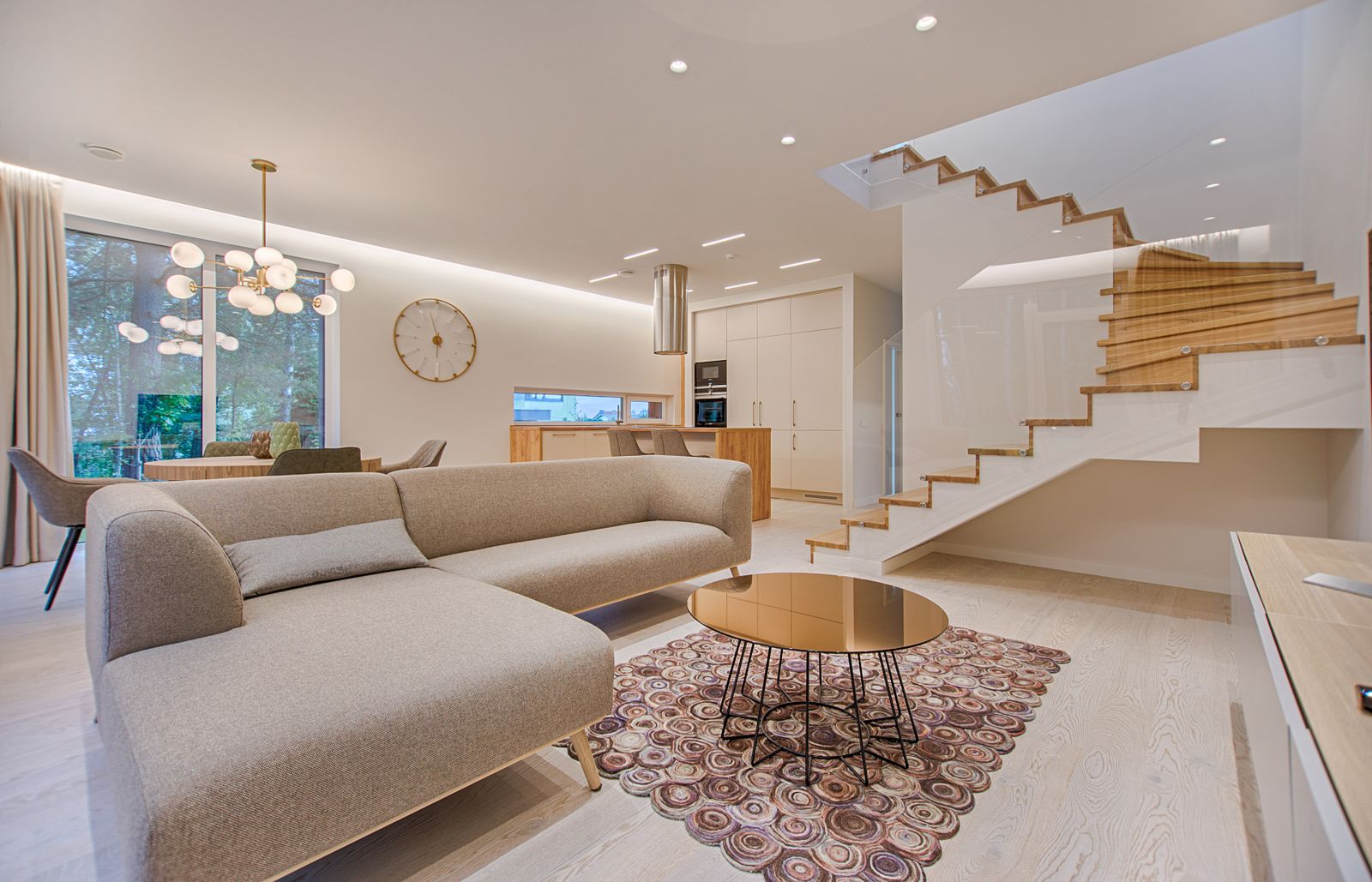
False ceilings have become automatic, which is exactly why they are worth questioning. They do three real jobs. If your room needs none of them, you are paying to lose head height.
Job one: hiding services
Air-conditioning pipework, ducting, wiring runs and the odd unlovely beam. If the ducting has to cross the room, the ceiling is not decoration — it is the only sane way to conceal it.
Job two: carrying lighting
Cove lighting, profile LED and recessed downlights all need a cavity. Layered light is the cheapest thing that makes a room feel considered, and most of it lives in the ceiling.
Job three: proportion
A high room can feel cavernous; a drop at the perimeter gives it a defined edge. Used sparingly this is genuinely effective, and it is the only one of the three that is purely visual.
When to skip it
A bedroom with no AC ducting crossing it, adequate existing light points and a ceiling already at eight feet gains almost nothing and loses six to eight inches. A peripheral cove — a band around the edge only — gives you the lighting without the loss.
If you do install one
Insist on a proper GI framework rather than wooden battens, ask where the AC service access panel will be before the board goes up, and get the light layout drawn rather than decided on site by an electrician with a marker.