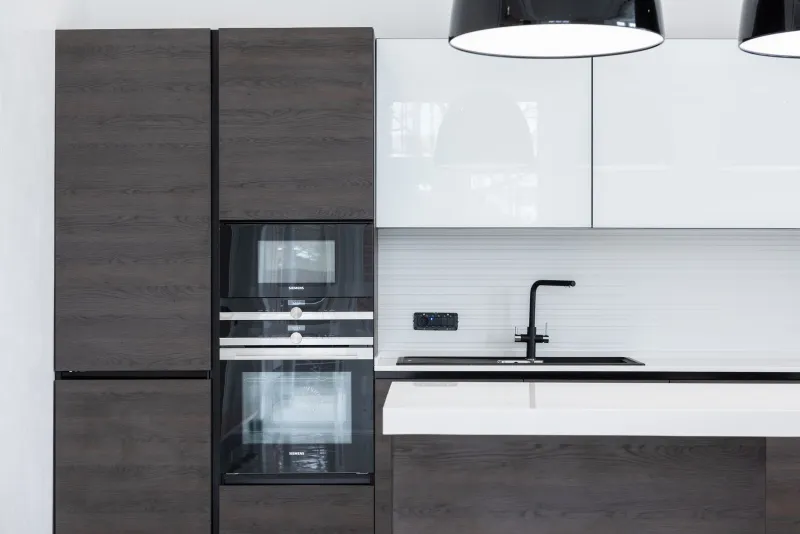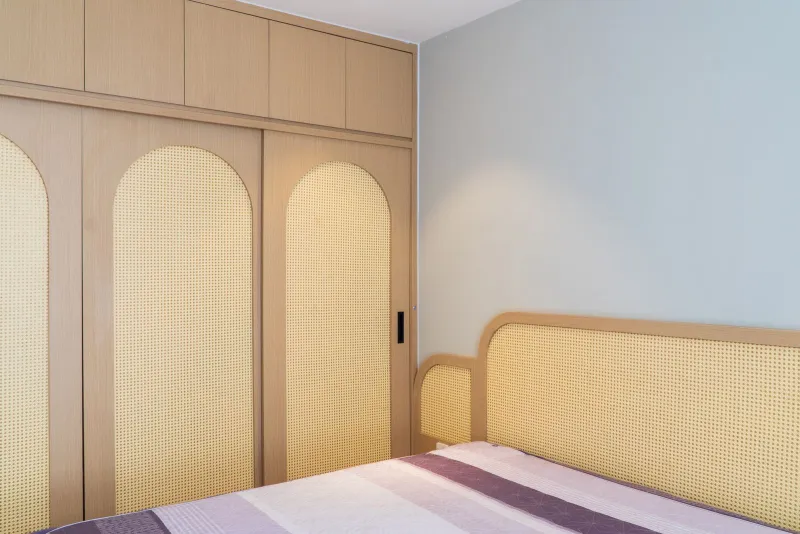
Ply, MDF, HDHMR or particle board — which one belongs where
Four boards, four honest uses. The argument is not which is best, it is which one survives the specific wall you are putting it against.
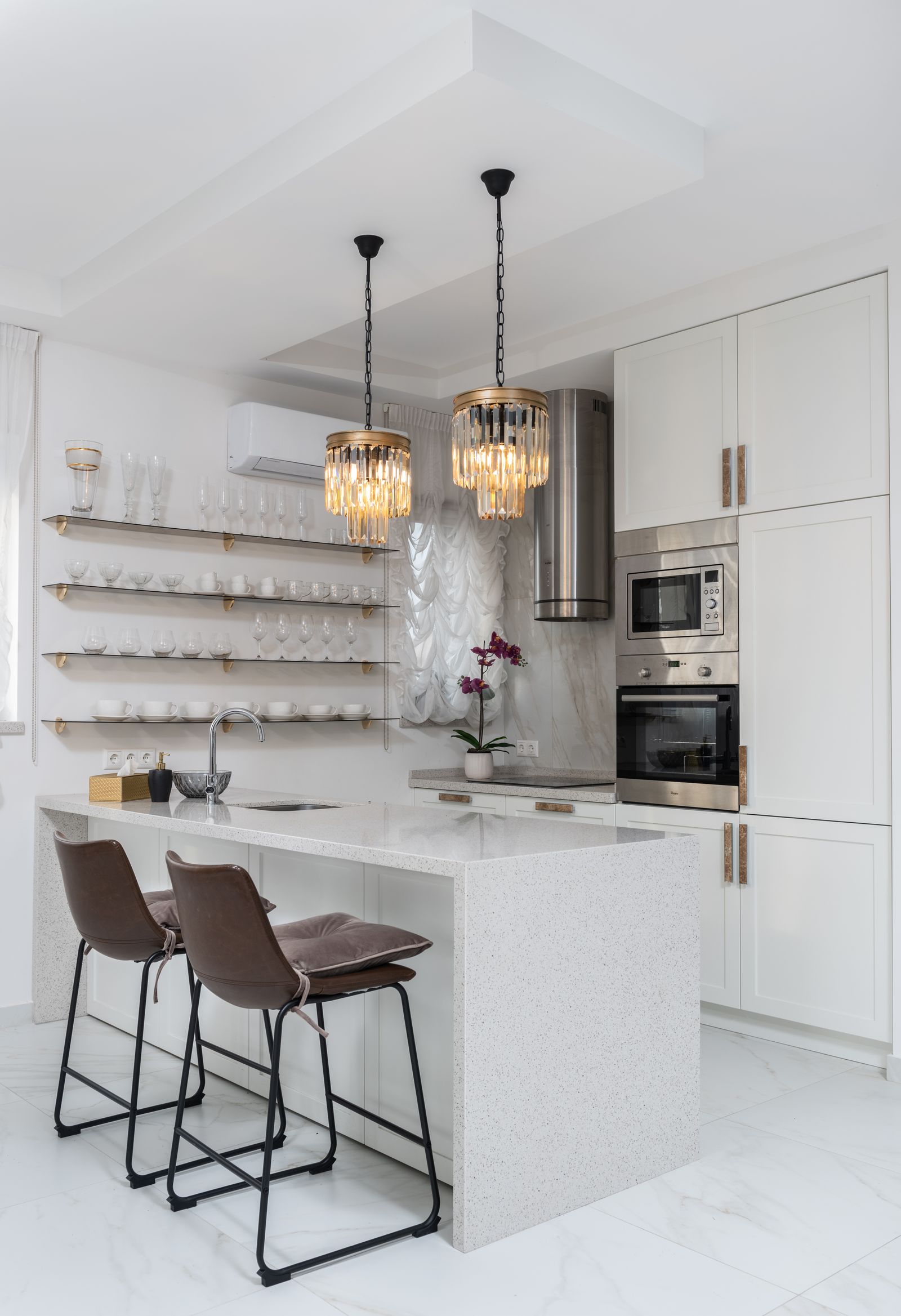
Every quote you receive is built on a board, and most owners never ask which one. It is the single decision that separates joinery that lasts fifteen years from joinery that sags in three.
BWP plywood
Boiling water proof ply, bonded with phenolic resin. It is what we use for kitchen carcasses, bathroom vanities and anything against an external wall. It holds a screw properly, which matters more than people expect — a hinge pulling out of its housing is almost always a board problem, not a hardware problem.
MR plywood
Moisture resistant, not waterproof. Perfectly sensible for a bedroom wardrobe carcass or a study unit in a dry room, and meaningfully cheaper. Putting it under a sink is how you end up replacing a base unit in year three.
MDF
Dense, flat and completely uniform, which makes it the right substrate for anything routed, moulded or lacquered — fluted panels, shaker shutters, PU-finished fronts. It has no grain to fight. It also has no tolerance for standing water and holds a screw poorly, so it belongs on the front of a unit rather than in its structure.
HDHMR
High-density high-moisture-resistance board sits between MDF and ply: the flat machinable face of MDF with far better moisture behaviour and screw holding. It is a good choice for shutters in a kitchen where you want a seamless painted finish without using MDF in a wet room.
Particle board
Sawdust and resin. It exists because it is cheap, it is what most flat-pack furniture is made of, and it has no place in fitted joinery you expect to keep. If a quote does not name the board, assume this one.
The practical rule
Structure in ply, faces in whatever gives you the finish you want, and never let the wet zones be the place you economised. The price difference across a whole flat is smaller than one round of repairs.