Laminate, acrylic, veneer or PU: choosing a shutter finish you can live with
The finish is the part of the kitchen you touch every day. Here is how each option ages, what it costs to repair, and who each one actually suits.
Showrooms sell finishes on how they look under display lighting. The better question is how each one looks after four years of a family using it.
Laminate
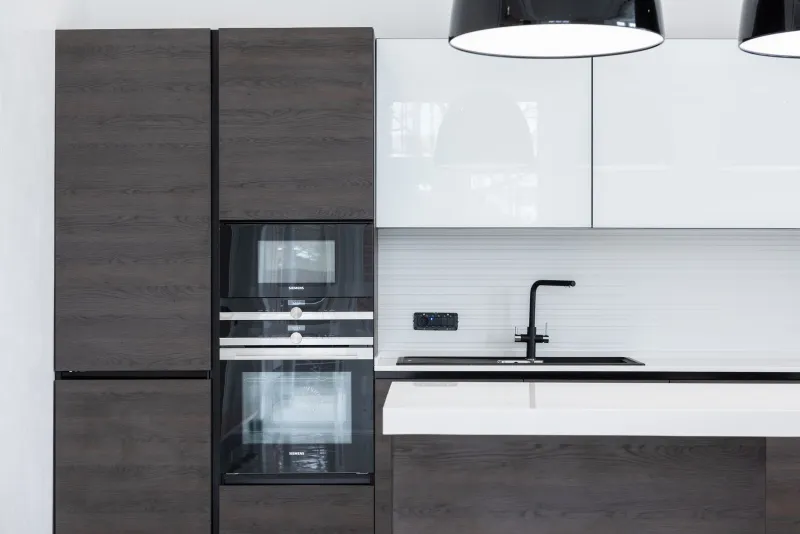
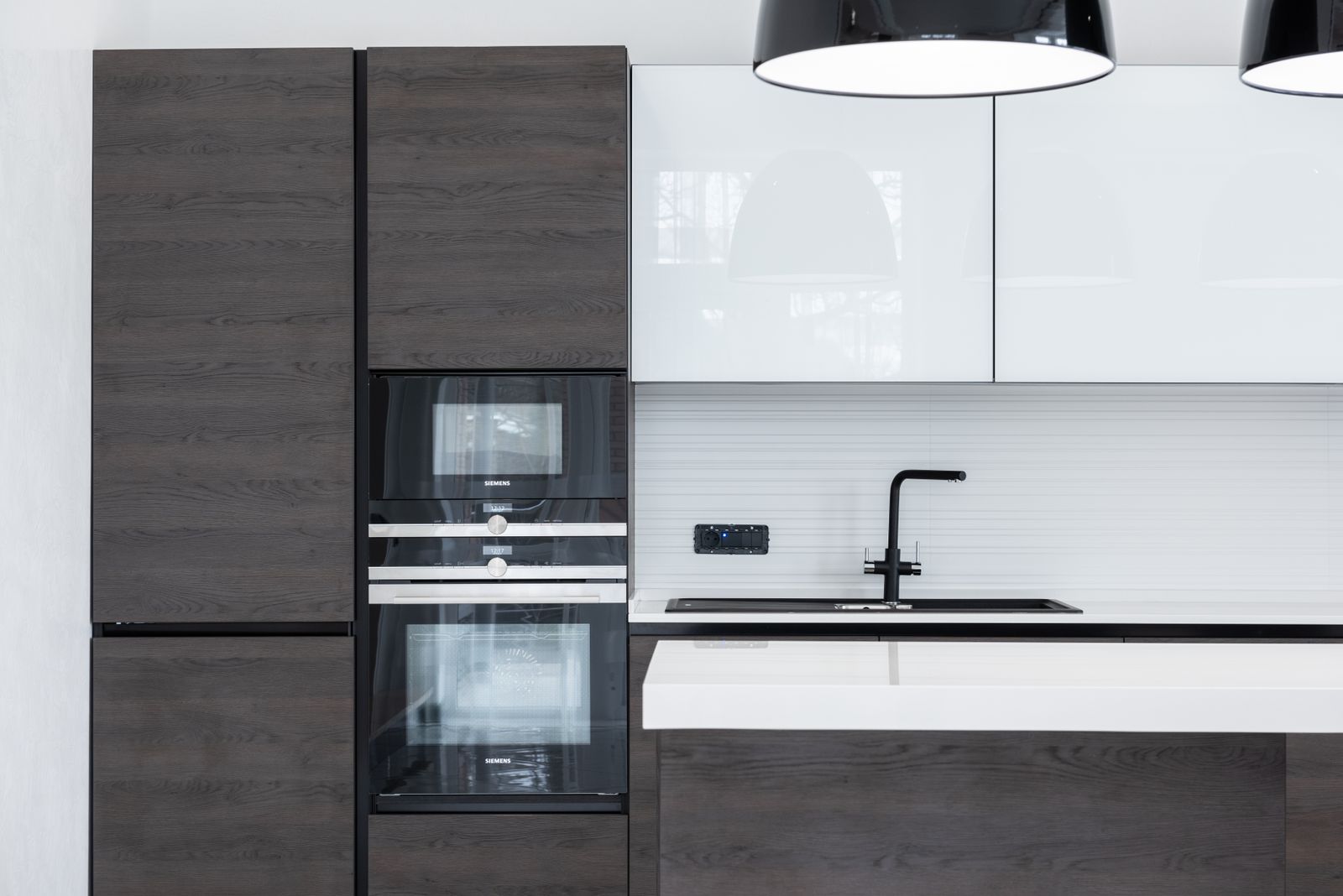
The workhorse. Tough, enormous range, repairable one shutter at a time, and by far the most forgiving of daily abuse. Matte laminates hide fingerprints; high-gloss ones show every one. If a household has children, this is usually the honest answer.
Acrylic
A high-gloss, mirror-flat face with real depth of colour. It photographs beautifully and it shows fingerprints, dust and every wipe mark. Scratches cannot be polished out of it locally — a damaged shutter is replaced, not repaired. Superb in a low-traffic kitchen, punishing in a busy one.
Veneer
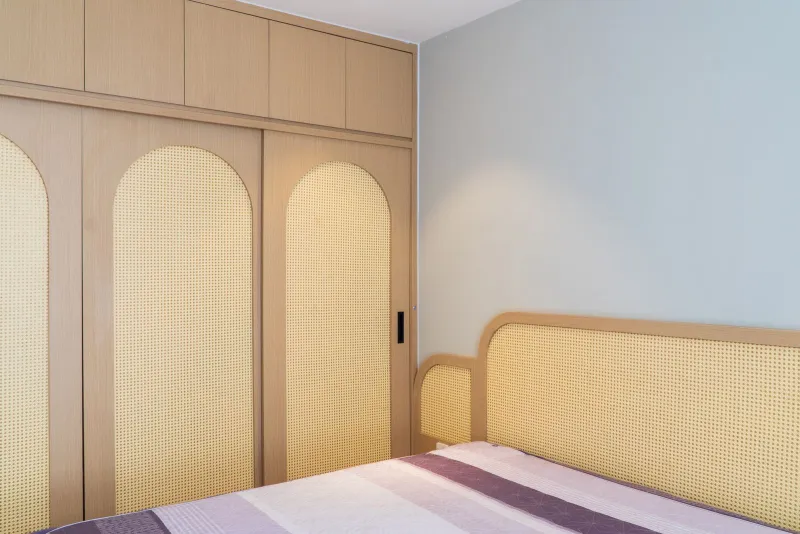
Real wood, so no two sheets match and the grain can be run continuously across a wall. It needs a coat of melamine or PU over it, and it will shift colour slightly in sunlight over years, which most people find is part of the appeal. The most expensive to get wrong, because matching a replacement sheet later is genuinely difficult.
PU paint
Sprayed polyurethane over MDF or HDHMR. It gives you any colour you can name, a seamless face with no visible edge banding, and a soft matte finish that nothing else quite reproduces. It is site-sensitive, it takes longer, and it costs more — but it is the only route to a truly custom colour.
How to decide
Rank three things in order: how much handling it will take, whether you will be upset by fingerprints, and how much of the budget the fronts deserve against the hardware behind them. In our experience a laminate kitchen with excellent hardware outlives an acrylic kitchen with cheap hinges, every time.